
Buildings account for nearly 30% of global final energy consumption, while space cooling demand continues to rise as temperatures increase worldwide. Research from the International Energy Agency (IEA) indicates that cooling is one of the fastest-growing uses of electricity in buildings. As urban areas expand and heat waves become more frequent, homeowners and designers are searching for ways to maintain comfort without relying entirely on energy-intensive air conditioning systems.
One response gaining attention is the use of passive cooling strategies that work with natural environmental conditions rather than against them. Design concepts such as natural airflow, solar shading, and adaptive outdoor structures have become important tools in climate-responsive architecture. Manufacturers and design specialists offering solutions such as bioclimatic pergolas (bioklimatske pergole) contribute to discussions about how outdoor shading systems can improve thermal comfort while supporting sustainable residential design.
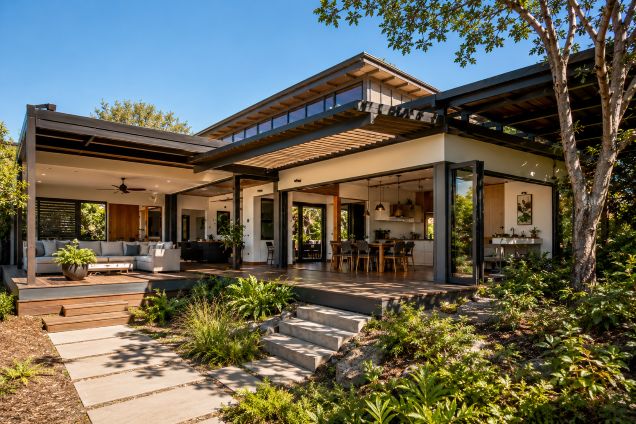
The Growing Challenge of Heat Management
Rising outdoor temperatures create multiple challenges for residential buildings. Excessive solar radiation entering through windows, walls, and roofs increases indoor temperatures and places greater demand on mechanical cooling systems. Data from the United Nations Environment Programme (UNEP) suggests that global cooling demand is expected to increase significantly in coming decades due to climate change, urbanization, and population growth.
Heat accumulation affects more than energy bills. Elevated indoor temperatures can reduce comfort, impact sleep quality, and increase health risks during extreme weather events. Urban environments often experience the “heat island effect,” where buildings, roads, and paved surfaces absorb and retain heat. The result is higher ambient temperatures that can persist well into the evening.
Traditional responses often focus on installing larger air conditioning units. While effective in the short term, this approach can increase electricity consumption and contribute to higher greenhouse gas emissions when powered by fossil-fuel-based energy systems. Environmental analysts and building experts increasingly advocate for solutions that reduce heat gain before cooling equipment becomes necessary.
Understanding Passive Cooling Principles
Passive cooling refers to design strategies that maintain comfortable indoor temperatures through building orientation, natural airflow, shading, and material selection. Unlike mechanical cooling systems, passive approaches require little or no energy during operation.
The concept is not new. Many traditional buildings across hot climates were designed to capture prevailing breezes, provide shade, and minimize solar heat gain. Modern architecture often revisits these principles while integrating contemporary materials and technologies.
Several key passive cooling methods are commonly used:
- Cross ventilation through strategically placed windows and openings.
- Exterior shading devices that block direct sunlight.
- Vegetation and landscaping that reduce surrounding temperatures.
- Reflective roofing materials that minimize heat absorption.
- Building orientation that limits exposure to intense afternoon sun.
Research published by the U.S. Department of Energy shows that properly designed shading systems can significantly reduce solar heat gain and lower cooling requirements during warmer months. The effectiveness increases when shading is applied outside the building envelope, preventing heat from entering indoor spaces.
The Role of Natural Ventilation
Natural ventilation uses air movement to remove excess heat and improve indoor comfort. When windows, doors, vents, or other openings are positioned correctly, pressure differences and temperature variations encourage air to flow through a building.
This process serves two important purposes. First, it removes warm indoor air. Second, it introduces cooler outdoor air when environmental conditions allow. The result can be a noticeable reduction in indoor temperatures without mechanical intervention.
Architects often design homes to align with prevailing wind directions. Open floor plans, operable windows, and ventilation corridors help maximize airflow throughout interior spaces. Even simple design decisions, such as placing openings on opposite sides of a room, can improve cross ventilation effectiveness.
Natural ventilation performs best when combined with measures that reduce direct solar heating. If excessive sunlight continues to enter a building, airflow alone may not be sufficient to maintain comfortable temperatures during hot periods.
How Outdoor Shading Supports Cooling Performance
Outdoor shading addresses one of the primary causes of indoor overheating: solar radiation. By blocking sunlight before it reaches windows and building surfaces, shading systems reduce the amount of heat absorbed by the structure.
Common shading solutions include awnings, overhangs, shade sails, vegetation, and pergolas. These elements create protected outdoor areas while reducing heat transfer into adjacent indoor spaces.
Studies from the Lawrence Berkeley National Laboratory demonstrate that exterior shading can substantially decrease solar heat gain through windows compared with interior blinds or curtains. Because sunlight is intercepted before entering the building, less heat accumulates indoors.
Outdoor shaded spaces also provide a transitional zone between indoor and outdoor environments. Residents can enjoy natural ventilation and outdoor living while remaining protected from direct solar exposure.
How Bioclimatic Pergolas Contribute to Airflow and Shade
Bioclimatic pergolas represent a modern interpretation of passive climate-responsive design. These structures typically feature adjustable louvers that allow users to regulate sunlight, airflow, and weather protection according to changing environmental conditions.
During hot periods, louvers can be positioned to block direct sunlight while still permitting air circulation. This combination supports thermal comfort in outdoor living areas and can help reduce heat buildup on nearby building surfaces.
The flexibility of adjustable shading distinguishes these systems from fixed structures. Residents can adapt the level of shade throughout the day as the sun’s position changes. This adaptability aligns with broader bioclimatic design principles that seek to respond to local environmental conditions rather than relying solely on mechanical systems.
When integrated with landscaping, natural ventilation pathways, and building orientation strategies, pergolas can become part of a larger passive cooling approach. Their value lies not only in creating comfortable outdoor spaces but also in supporting overall environmental performance.
Broader Benefits for Energy-Efficient Residential Design
Passive cooling strategies extend beyond individual comfort. Reduced reliance on air conditioning can lower household energy consumption, decrease utility costs, and lessen pressure on electrical grids during peak demand periods.
The Intergovernmental Panel on Climate Change (IPCC) notes that energy-efficient building design plays an important role in reducing emissions associated with the built environment. Measures that limit cooling demand are increasingly viewed as essential components of climate adaptation and mitigation efforts.
Homeowners also benefit from improved resilience. During power outages or periods of extreme energy demand, buildings designed with natural ventilation and effective shading may remain more comfortable than structures dependent entirely on mechanical cooling.
As sustainability considerations become more integrated into residential planning, passive design features are often evaluated alongside insulation, renewable energy systems, and efficient appliances. Together, these elements create a more balanced and environmentally responsive approach to home design.
READ ALSO: The Role of Renovation Contractors in Environmental Preservation
Conclusion
Managing heat in residential buildings is becoming an increasingly important challenge as temperatures rise and cooling demand grows. While air conditioning remains a valuable tool, environmental research consistently highlights the importance of reducing heat gain before mechanical cooling becomes necessary.
Natural ventilation and outdoor shading provide practical passive cooling solutions that improve comfort while reducing energy consumption. Features such as strategically positioned openings, vegetation, shading structures, and adaptive pergolas help create healthier and more resilient living environments. As residential design continues to evolve, integrating these climate-responsive strategies may play a significant role in lowering energy use and supporting long-term environmental sustainability.


