
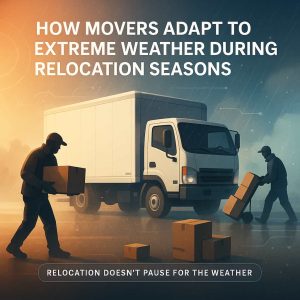
 Relocation doesn’t pause for the weather. People still move during heatwaves, storms, and sudden climate shifts. Movers experience this firsthand on driveways, loading ramps, stairwells, and open roads where forecasts can change mid-shift. In long-distance moving in NYC, crews adapt by hydrating teams, protecting items, planning tighter loading windows, and rerouting around unsafe conditions because resilience isn’t optional when the road itself is part of the workplace.
But professional movers have learned how to work through these conditions without putting themselves, their clients, or people’s belongings at risk. They prepare, adjust, and work in ways that look simple from the outside but rely on careful planning and experience.
Here’s how they do it.
Handling Heatwaves
High heat is one of the
most challenging conditions for movers. They’re lifting heavy items, loading trucks without shade, and often working for hours with no breeze. Heat exhaustion is a real threat, and dehydration happens faster than people expect.
Movers adapt by changing their pace and structure. Work starts earlier in the day, long before the sun peaks. Teams take more frequent breaks, even if the move seems small. And hydration isn’t optional. Many companies keep coolers in the truck stocked with water and electrolyte drinks, checking in with the crew throughout the day.
Heat also affects the items being moved. Electronics, candles, artwork, vinyl records, and some plastics can warp or even melt when a truck sits in direct sunlight. Movers have learned to load sensitive items last, so they spend less time inside the truck. Some companies place insulating blankets around heat-sensitive belongings or leave a small gap in the loading pattern to allow air to move through the truck.
And the driving changes too. Tires can overheat, trucks take longer to brake on hot pavement, and engines work harder. Drivers check pressure levels more often and avoid long idling periods.
Working Through Storms
Storms create a different set of issues. Heavy rain affects visibility, traction, and even the flooring inside homes. Movers need to protect both the property and the items they are moving.
Rain gear helps the team, but the real challenge is keeping belongings dry. Movers use waterproof covers, sealed bins, and thick wrapping to protect furniture and boxes during the walk from the house to the truck. Many teams set up temporary paths using runners or mats so they can move quickly without tracking water through the home.
When lightning or hail is present, crews often pause the move. Most companies prepare for these delays in advance and incorporate them into the schedule. It’s safer to wait ten or twenty minutes than risk someone carrying a large metal object in an open area during a storm.
Driving in storms requires more caution than any other condition. Trucks take longer to stop on wet roads, and wind can push a tall moving truck off its path. Movers adjust their routes when possible, sticking to slower roads and avoiding high bridges or open stretches where gusts hit hardest. If the storm is severe, drivers pull over and wait it out.
Cold Weather and Snow
Freezing temperatures create a different set of hazards. Ice turns stairways and walkways into unsafe paths. Movers often carry salt, sand, or ice melt to treat the ground before lifting anything. They take smaller loads when navigating slippery areas and move more slowly.
Cold also affects the items being moved. Wooden furniture can crack with sudden temperature changes. Electronics can form condensation when brought from freezing air into a warm house. Movers know how to pace the transition, giving items a chance to adjust before powering anything on or unpacking it.
Trucks need attention in winter, too. Engines warm up longer, locks freeze, and metal ramps turn slick. Crews clean and salt the ramp throughout the move, keeping traction as steady as possible.
Dealing With Unpredictable Climate Shifts
The biggest challenge today isn’t a single type of weather event. It’s the inconsistency. Some regions experience sudden heat spikes, then storms, and finally unexpected cold fronts. Movers never know what a job will bring until the day arrives.
Because of this, many moving companies train their teams to treat every move like a variable situation. Trucks carry a wide range of supplies year-round: water jugs, tarps, waterproof bags, insulated blankets, traction salt, gloves, sunscreen, and extra layers of clothing. Schedules stay flexible, allowing clients to shift arrival times when conditions make it unsafe.
Communication plays a major role. Movers often check weather reports the night before and early that morning. They update clients if shifting conditions require a different plan. Most people appreciate the honesty. It’s easier to delay by an hour than deal with damaged belongings or an injured worker.
Why Adaptability Matters
Extreme weather isn’t going away. Movers understand this and have built systems that protect people and property, even on tough days. Their work may seem routine, but each move demands judgment, awareness, and flexibility.
And when the weather throws a curveball, the best crews don’t just push through. They adapt with safety in mind, keep communication open, and make choices that protect everyone involved. That’s what keeps relocation moving, no matter what the forecast brings.


